
ABOUT DOCTOR
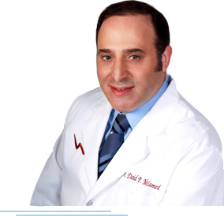
Dr. David P. Melamed, M.D
Dr. David Melamed is a California and New York State Licensed Physician in private practice. Originally started practice in New York City before moving to Los Angeles in July of 2005.
Your Doctor for Life, promising to give you personal attention.
Visit our state-of-the-art medical offices where patient receive the latest and most advanced treatments, with access to in-office testing, EKGs, lung function testing, and preventive health care.
His professional memberships include the American College of Physician/Association of Internal Medicine, American Association of Program Directors, and American Medical Association and American Association of Aesthetic Medicine.

Adult Medicine
Angina Pectoris (“angina”) is a recurring pain or discomfort in the chest that happens when some part of the heart does not receive enough blood. It is a common symptom of coronary heart disease (CHD), which occurs when vessels…

Preventative Care
Angina Pectoris (“angina”) is a recurring pain or discomfort in the chest that happens when some part of the heart does not receive enough blood. It is a common symptom of coronary heart disease (CHD), which occurs when vessels…

Genetic Medicine
Angina Pectoris (“angina”) is a recurring pain or discomfort in the chest that happens when some part of the heart does not receive enough blood. It is a common symptom of coronary heart disease (CHD), which occurs when vessels…


Our areas of
Expertise



West LA Hair
WWW.WESTLAHAIR.COM Permanent hair restoration utilizing advanced systems that are effective for men and women. A combination of Stem Cells, PRP growth factors, laser bio-stimulation, and robotic hair replacement will help you regrow your own hair naturally.
Visit SiteWest LA Skincare
WWW.WESTLASKINCARE.COM Enhanced PRP and Stem Cell Skin Correction. Fillers and Botox for Facial Enhancement. QRejuvenation Melasma Reduction. Micropore Stimulation. Acne Control and Scar Management
Visit SiteWest LA Genetic Health
WWW.GENETICHEALTHANDWELLNESS.COM Genetic analysis and review, along with comprehensive medical assessment in order to determine the best lifestyle changes for a long and healthy life.
Visit SiteWest LA Cellulite
WWW.WESTLACELLULITE.COM Dr. David Melamed the first physician to offer an effective treatment to reduce Cellulite and Fat FDA Certified Zerona laser body contouring, AWT and LipoDissolve.
Visit Site
WHAT Customers SAY?
Our Testimonials
Testimonial2
“I have seen Dr. Melamed as a personal doctor when I have been ill. I have had Botox with him, AND lipodissolve with acoustic wave treatments. In all cases he has been absolutely excellent. He explained everything, never pushed anything, and always put my health and well being first. I have been extremely happy with Dr. Melamed, and with my results. I cannot say enough good about Dr. Melamed and Lisa in the front office. They are always very thorough, and professional, and very kind. I highly recommend them.”
Anonymous Patient
Testimonial1
“Dr. Melamed and Lisa’s unique care and service. Simply put, their care has been the best I have experienced in dermatology or in any other medical care for that matter. They offer one on one attention and are very responsive to follow up questions. They expend the greatest effort in making sure the patient fully understands the medical issues and suggested treatment. It doesn’t hurt that their offices feel like a day spa and not a doctor’s office. Dr. Melamed seems to believe in old school physician care which translates into a very pleasant and highly recommended experience.”